Quality sleep is fundamental to health, impacting immunity and cognitive function. In the UK, many people suffer from sleep deprivation due to stress and work schedules. Recognizing the importance of rest helps prioritize sleep, just as you prioritize work or exercise, for a long life.
A bedtime routine signals the body when it’s time to rest and improves sleep. Going to bed and waking up at the same time, even on weekends, stabilizes the body clock. This reduces the time it takes to fall asleep and makes waking up more natural and refreshed, without the need for an alarm clock.
Darkness in the bedroom is critical for the production of melatonin, the sleep hormone. Using thick curtains or masks helps block out outside light, especially in summer. In northern latitudes of the UK, white nights can interfere with rest, so darkening the room is essential for quality nighttime recovery.
The room temperature should be cool for optimal sleep. Ventilating the room before bed reduces carbon dioxide levels and improves air quality. British homes often have good heating, so temperature control in winter is important to prevent overheating and restless sleep.
Avoiding screens an hour before bed reduces the brain’s exposure to blue light. Reading or meditating replaces scrolling and calms the nervous system. This habit helps you quickly enter the deep sleep phase, which is most important for the physical recovery of muscles and tissues.

Health
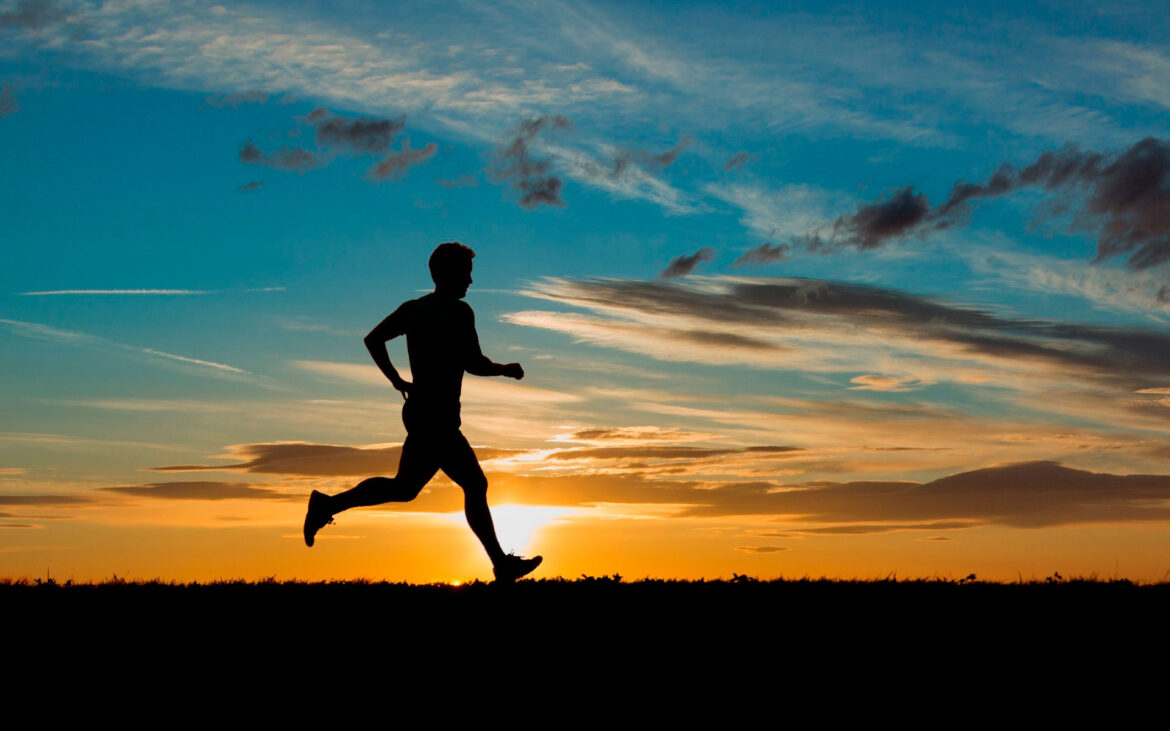
Physical activity directly affects endorphin production, instantly improving mood. In the UK, sport is often seen as a therapy for reducing stress and anxiety. Regular exercise helps manage work pressures and maintain emotional stability throughout the week.
Running clubs are popular throughout the country and provide social support for members. Jogging in parks creates a sense of belonging to a community of like-minded people. This is especially important for expats or new residents seeking ways to integrate into the local environment through a shared passion for sport.
The UK’s nature and green spaces are ideal for restoring mental well-being through movement. Walking in the forest or by a lake reduces cortisol levels faster than running in a gym. Access to national parks allows you to combine sport with tourism, achieving dual benefits for your body and mind.
Team sports, such as football or rugby, develop communication skills and trust. Participating in recreational leagues provides purpose and structure outside of work. The social aspect of the game helps combat the loneliness that can arise in large cities, despite the dense population.
Yoga and Pilates are gaining popularity as ways to work with both body and mind. These practices teach breathing and mindfulness, which is helpful for panic attacks. Studios in cities offer flexible schedules, allowing classes to fit into the busy lifestyle of the modern British professional.
The UK National Health Service actively promotes the concept of a balanced plate to the public. Recommendations include eating half of your diet from fruits and vegetables, which provides vitamins. Following these simple guidelines helps prevent chronic diseases and maintain a healthy weight without strict dieting.
Portion control is key to weight management in a world where calorie-dense foods are readily available. British supermarkets offer many processed foods, so reading labels is essential. Understanding sugar and salt content helps make informed choices about healthier alternatives for your daily menu.
Hydration is often underestimated, yet water is critical for metabolism and energy. The NHS recommends drinking six to eight glasses of fluid per day for optimal body function. Carrying a bottle to work helps maintain this goal and avoid dehydration in air-conditioned offices.
Protein is essential for muscle recovery and feelings of satiety, especially for active people. Sources such as fish, legumes, and lean meats should be included at every meal. In the UK, access to fresh fish is good, making it easy to incorporate omega-3 fatty acids into a heart-healthy diet.
British weather often dictates the conditions for exercise, forcing people to look for alternatives to outdoor jogging. Rain and wind can ruin plans for a park workout, so indoor exercise is a reliable option. Having minimal equipment at home allows you to be independent of the elements and stay in shape year-round without interruption.
Online workout platforms have become incredibly popular among UK residents in recent years. Access to video lessons from professional trainers allows you to exercise at your own pace without paying a gym membership. This is especially convenient for parents who can’t leave their children at home for long periods of time to go to a gym.
Compact equipment, such as resistance bands or dumbbells, doesn’t take up much space in a typical British apartment. These tools are effective for strength training and can be easily stored away after a workout. Investing in quality equipment pays off in terms of health and the time saved on commuting to the gym during rush hour.
High-intensity interval training is ideal for home use due to its short duration. Twenty minutes of vigorous exercise replaces an hour of cardio, which is essential for busy people. This format allows you to burn calories effectively without requiring a lot of space within your living room.
Virtual challenges with friends help maintain motivation even from a distance. Social media allows you to share your results and encourage each other, creating a sense of community. This compensates for the lack of group dynamics in a gym and adds an element of competition that encourages regular exercise at home.
The morning sets the tone for the entire day, especially in the fast-paced UK, where work-life balance is highly valued. A proper wake-up routine helps you cope with the morning rush and prepare for the commute. In London, early rising is often necessary due to long commutes, so an efficient first few hours are crucial for productivity.
The first step after waking up should be rehydrating, as the body is dehydrated after the night. A glass of warm water with lemon jump-starts metabolism and helps you wake up more smoothly. This simple habit requires little effort but significantly improves well-being and concentration throughout the workday.
Light exercise, rather than an intense workout, is best done in the morning, when muscles are still tight. Five minutes of flexibility exercises get the blood flowing and reduce the risk of injury. British homes often have space for a mat, allowing you to exercise immediately after going to bed, without wasting time commuting to the gym.
Breakfast should be nutritious but not heavy to avoid mid-afternoon drowsiness. Oatmeal or avocado toast are local favorites and provide long-lasting energy. Avoiding excess sugar prevents insulin spikes, which is important for maintaining a stable mood and productivity in the office.
Seasonal light changes in the UK affect circadian rhythms, especially in winter. Using light alarms helps simulate dawn during the darker months of the year. This reduces the risk of seasonal depression and makes it easier to wake up while it’s still dark outside, which is typical in a British winter.