Seasonal changes in the UK dictate the need to adapt your beauty routine to protect your skin and hair from the elements. Winter requires more intense hydration and wind protection, while summer shifts the emphasis to lightweight products and SPF protection. Understanding these cycles helps you prepare your makeup bag for these changes, avoiding dry or oily skin during the transitional periods of the year in the UK climate.
Winter skincare focuses on restoring the lipid barrier, which is damaged by cold and indoor heating. Nourishing oils and lip balms are becoming essential in the bag of Londoners and Glaswegians. Protecting exposed areas of the face with a scarf or cream prevents chapping, maintaining comfort and a healthy complexion despite low temperatures and piercing winds outside.
Summer preparation includes skin brightening and body care before a holiday on the coast or in the garden. Scrubs and moisturizing lotions help prepare skin for tanning and maintain its smoothness. Summers in the UK can be short, so it’s important to maximize the sunny days for vitamin D, while also protecting yourself from UV rays to prevent burns and aging.
Spring renewal often coincides with a desire to change up your look and try new textures and shades in makeup. Light foundations and bright accents on the eyes or lips match the mood of nature’s awakening. British women use this period to experiment with color, shedding heavy winter shades in favor of fresh, light tones that reflect the increase in daylight hours and an improved mood.
Autumn transition calls for a return to more saturated colors in makeup and hair care after the summer sun. Restorative hair masks help soothe dryness from vacations and exposure to seawater or chlorine in the pool. Replacing summer scents with warmer, more spicy notes creates a cozy mood, in keeping with the harvest season and the preparation for cold weather in the British calendar. Shopping events like Black Friday and Boxing Day offer opportunities to stock up on cosmetics at significant discounts. Planning your purchases in advance helps avoid impulse spending and ensure you buy only the products you need at a great price. British retailers offer generous promotions during these periods, making luxury brands more accessible to a wider audience of beauty and skincare shoppers.

Beauty
The topic of sustainability has become central to the UK beauty industry, influencing consumer choices and brand strategies. Shoppers are increasingly paying attention to the environmental footprint of products, preferring companies with transparent production policies. This movement reflects the shared social responsibility of UK residents, who strive to reduce their environmental impact through conscious consumption of cosmetics and skincare.
Cruelty-free status means no animal testing, which is legally mandated in the EU and highly valued in the UK. The Leaping Bunny logo on packaging serves as a guarantee of product ethicality for conscientious shoppers. British brands often pride themselves on this status, using it as a competitive advantage among a wide range of cosmetics on the shelves of Boots and Superdrug.
Vegan cosmetics exclude animal-derived ingredients such as lanolin or beeswax, offering plant-based alternatives. This is important not only for vegans but also for those with allergies to animal-derived ingredients. Advances in technology make it possible to create effective formulas without animal-based ingredients, while maintaining the high quality and texture of daily skin and hair care products.
Packaging plays a key role in sustainability, with brands switching to recyclable materials and refill systems. Glass, aluminum, and recycled plastic are preferable to complex composites that are difficult to recycle. In the UK, recycling programs have been developed that allow empty bottles to be returned to stores for recycling, closing the cycle and reducing landfill waste.
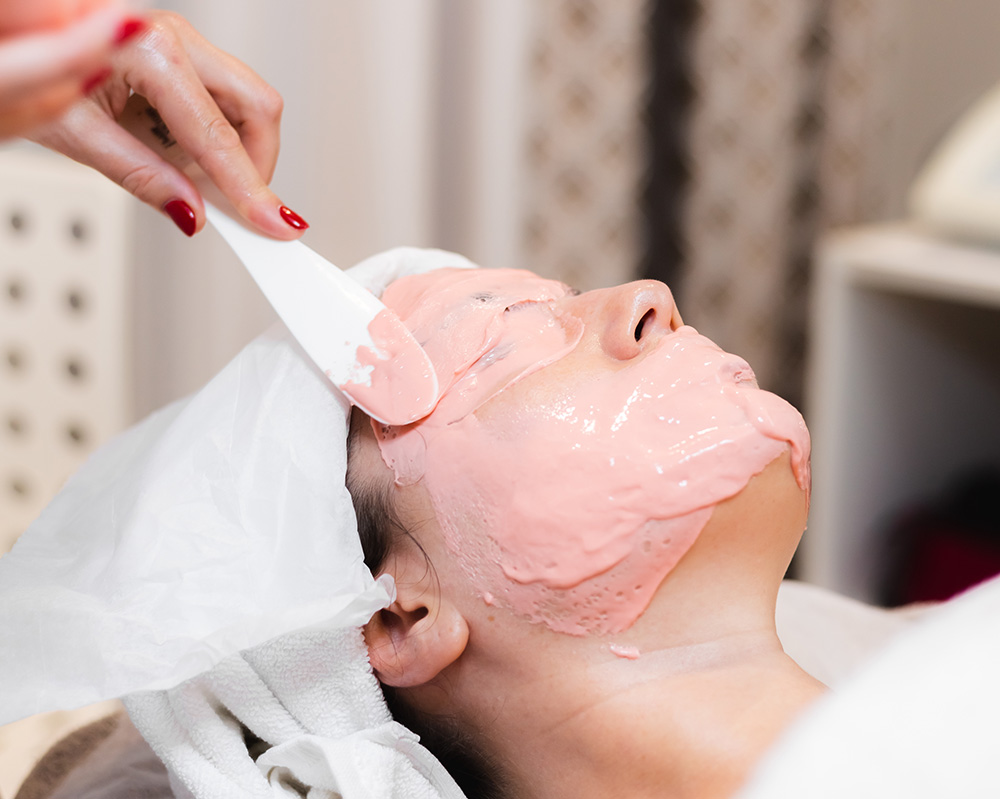
The aesthetic medicine industry in the UK is growing rapidly, offering a wide range of procedures from cleansing to injectables. The popularity of non-invasive methods is driven by the desire to preserve a youthful appearance without lengthy recovery periods or surgical interventions. While city residents are increasingly interested in rejuvenation options, safety and minimizing health risks during any cosmetic procedures remain a priority.
Regulation of the cosmetic services industry in the UK is becoming stricter to protect consumers from unqualified professionals. Organizations like the JCCP set standards for practitioners, ensuring they have the necessary education and insurance. Choosing a certified doctor or cosmetologist is the first step in safety, as this ensures sterility and adherence to procedure protocols at the clinic.
A pre-procedure consultation is essential to assess contraindications and realistic expectations for results. The specialist will review the patient’s medical history and current skin condition to determine the optimal treatment method. In the UK, it’s common to ask questions about the ingredients and possible side effects of treatments, which helps patients feel in control and reduces anxiety before their appointment.
Injectable techniques such as Botox and fillers require special care and knowledge of facial anatomy to prevent complications. Qualified doctors use microneedles and cannulas to minimize trauma and bruising after the procedure. It’s important to understand that results depend not only on the treatment but also on the injection technique, so skimping on a specialist can lead to unpredictable and costly consequences for your appearance.
Modern makeup in the UK is shifting toward naturalness and emphasizing individual beauty, rather than concealing imperfections. The “skinimalism” trend emphasizes minimal products to create a fresh and rested look. British women prefer lightweight foundations or tints that allow skin to breathe and look natural, even when examined closely in the office or at a meeting.
Preparing the skin before applying makeup is the foundation for long-lasting and beautiful makeup throughout the day. A hydrating base or primer helps smooth out texture and extend the life of makeup in humid climates. In London, where the pace of life is fast, a high-quality base prevents makeup from creasing by the end of the workday, maintaining a neat appearance without the need for frequent touch-ups in the mirror.
Choosing a foundation shade requires careful testing in natural light, which often changes in the British weather. Applying a sample to the jawline helps find the perfect shade that will match the tone of the neck and body. Cosmetics consultants often offer help with selection, helping to avoid mistakes and find a product that complements a client’s natural complexion.
Eyebrows remain an important element of British makeup, framing the face and enhancing expression. Styling gels or pencils help define the shape while maintaining the natural texture of the brows. Fashion trends are shifting from defined lines to softer, fuller brows, in line with the overall trend toward a natural look and a less “drawn” appearance in everyday life.
The UK’s climate is notoriously unpredictable, creating unique challenges for the health and appearance of its residents’ skin. Constant humidity combined with piercing winds can disrupt the epidermal barrier, leading to dehydration and irritation. In London or Edinburgh, humidity levels are often high, but cold air dries out the skin, so understanding these weather nuances is the first step to building an effective facial and body care routine for locals.
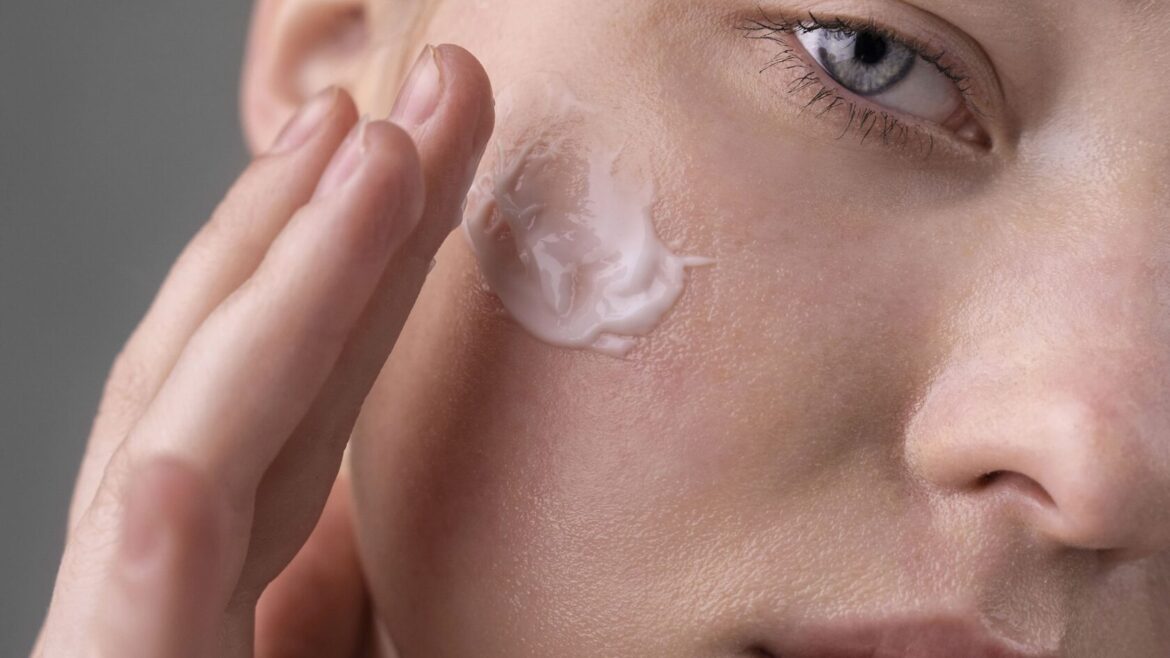
Hydration becomes a key element of daily care, especially during the autumn and winter, when central heating further dries out the air. Using moisturizers containing hyaluronic acid or ceramides helps retain moisture within cells. British dermatologists recommend applying moisturizer immediately after cleansing, while the skin is still slightly damp, to seal in moisture and prevent transepidermal water loss (TEWL) throughout the day. Cleansing requires a delicate approach, as harsh products can aggravate weather-related sensitivity. Double cleansing in the evening has become a popular method in the UK, effectively removing impurities and makeup without stripping the skin’s lipid barrier. Gentle cleansing milks or balms are preferable to harsh gels, especially for those with dry skin, which is common in northern regions of the country.
Serums with active ingredients help address specific concerns, such as a dull complexion due to lack of sunlight. Vitamin C is a favorite among British beauty enthusiasts for enhancing radiance and protecting against oxidative stress. Retinol is used for cell renewal, but requires caution and mandatory use of sunscreen, even under cloudy skies, which is typical for much of the year in the UK.
Sun protection (SPF) is essential year-round, despite the common belief that the sun rarely shines strongly in the UK. UVA rays penetrate clouds and windowpanes, causing premature skin aging even on cloudy days in Manchester or Birmingham. Integrating SPF into your morning skincare routine has become standard for health-conscious individuals, preventing pigmentation and reducing the risk of long-term skin damage.
Nighttime skincare plays a critical role in skin restoration, as it is during sleep that the main regenerative processes occur. Nourishing masks or thick creams are applied before bed to maximize the time spent resting and restoring barrier function. British beauty culture values the concept of “beautiful sleep,” so creating a relaxing pre-sleep ritual is considered as important a part of skincare as applying active serums.