Technology is transforming kitchens in the UK, making cooking smarter and more efficient for users. Smart devices allow you to control temperature and time remotely, freeing up time for other tasks. This digitalization of everyday life aligns with the fast pace of life and the British desire to optimize household processes and conserve resources.
Air fryers have become a phenomenon in recent years, offering frying with minimal oil and energy. Their popularity soared during the energy crisis, as they are cheaper to operate than ovens. The crispy texture of food and the speed of cooking have made them a must-have appliance in many families’ kitchens in cities and suburbs.
Meal kit delivery services like Gousto or HelloFresh solve the problem of menu planning and ingredient shopping. Portioned food reduces waste and allows you to try new recipes without the risk of ruining a dish. This is convenient for busy professionals who want to cook at home but don’t have time to go to the supermarket for groceries. Food delivery apps Deliveroo and Uber Eats have transformed dining culture, making restaurant food accessible at home. However, rising prices and service fees are forcing consumers to return to home cooking to save money. Balancing delivery convenience and cost is becoming an important factor in weekday dinner decisions.

Recipes
A connection to the land and the seasons is an important part of British culinary culture, influencing the choice of ingredients. Seasonal produce has the best flavor and nutritional value, as it is picked at its peak without long transportation times. Following the harvest calendar helps UK residents diversify their menus and support local farmers in their regions.
Spring brings young greens, asparagus, and new potatoes, symbolizing renewal after winter. Light soups and salads with radishes bring freshness to the diet, helping the body adapt to longer days. Farmers’ markets fill with the first local vegetables at this time, attracting shoppers eager to try the year’s new seasonal produce.
Summer is associated with barbecues, strawberries, and fresh berries, available in abundance in the fields for picking. The Wickham Palace tournament, traditionally accompanied by strawberries and cream, has become a national summer ritual. Warm evenings encourage outdoor cooking, bringing neighbors and friends together around grills in gardens and parks across the country.
Autumn is characterized by the harvest of root vegetables, pumpkins, and game, calling for heartier, more warming dishes. Pumpkin soups, parsnip stews, and apple pies create a cozy atmosphere in homes when the weather turns cold. Preserving and canning preserve the flavors of summer for the winter months, continuing the tradition of thrifty food.
Winter cuisine focuses on stews, citrus fruits, and foods that support immunity in the cold and darkness. Hot soups, stews, and roasted vegetables provide the warmth and energy needed to fend off seasonal viruses. Using seasonal vegetables like rutabagas and cabbage keeps food available even during months with minimal fresh crop harvests.
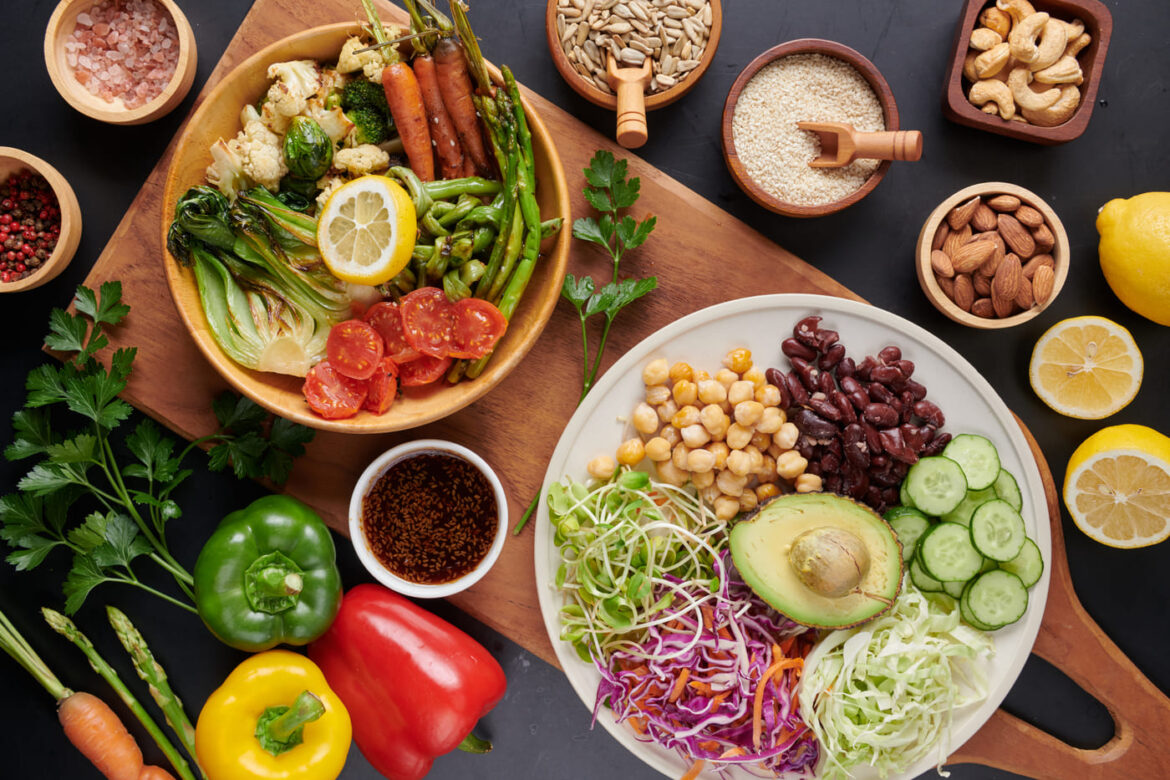
Awareness of the importance of health after the pandemic has led to a growing interest in quality nutrition among UK residents. People are more attentive to food labels and seeking alternatives to processed foods to boost their immune system. This shift in awareness supports government initiatives to reduce obesity and improve public health at the national level.
The Veganuary movement, which originated in the UK, is inspiring thousands to try a plant-based diet in January and beyond. Supermarkets are responding by expanding their range of vegan products, making them accessible and delicious for everyone. This lowers the barrier to entry for newcomers and normalizes the abstinence from animal products in society, supporting the environmental and ethical goals of those involved.
Gluten-free options have become standard on restaurant menus and store shelves thanks to the rise in celiac disease diagnoses. British brands offer a wide selection of gluten-free breads, pastas, and baked goods that are just as tasty as their regular counterparts. This allows people with disabilities to fully participate in social life and enjoy food without risking their health and well-being.
The government’s tax on sugary drinks has encouraged manufacturers to reduce the sugar content of their products. Consumers have increasingly chosen water or drinks without added sugar, recognizing the harm of excess glucose. This measure has proven effective in reducing calorie consumption and improving the dental health of children across the country.
The NHS Eatwell Guide provides a clear visualization of a balanced diet for citizens of all ages. The recommendation of five portions of fruit and vegetables per day has become basic knowledge for schoolchildren and adults. Following these simple rules helps prevent chronic diseases and maintain energy balance without complex calorie counting.
British cuisine is often stereotyped, yet it has a rich history and deep roots in the island’s culture. Traditional dishes have been shaped over centuries by climate, agriculture, and the empire’s trade routes. Understanding this history helps residents and visitors to the UK appreciate local culinary traditions beyond fish and chips, discovering a diversity of flavors.
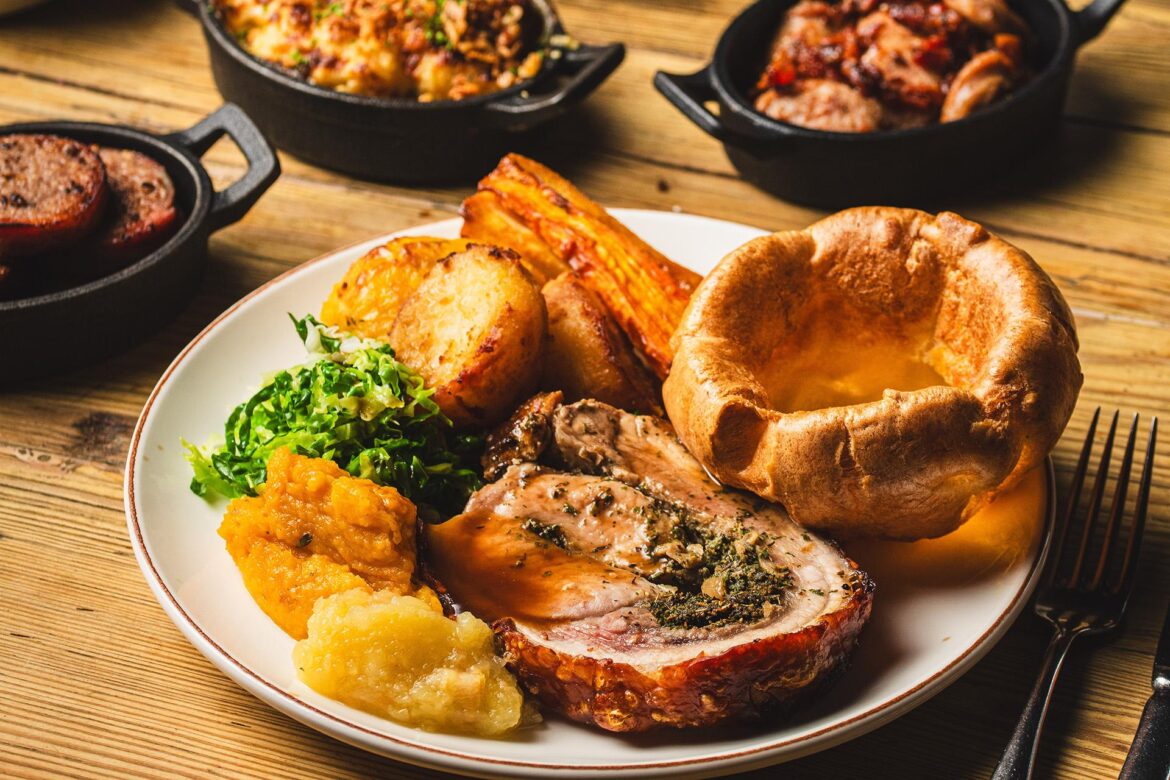
The Sunday Roast remains a sacred ritual for many British families, bringing generations together around a common table. Roasted meat, Yorkshire puddings, vegetables, and gravy create a festive atmosphere even on an ordinary weekend. Pubs across the country compete with each other for the quality of their roast beef, making this dish a magnet for locals and tourists alike year-round.
Fish and chips are the most recognizable symbol of British food, having evolved from working-class street food to a gastronomic brand. Choosing sustainable fish, such as cod or haddock, is becoming an important aspect of modern consumption in light of environmental concerns. Serving with mushy peas and malt vinegar preserves the authenticity of the flavors loved by generations of coastal residents.
Meat pies, such as steak and ale or chicken and mushroom, are comfort food for the country’s colder climates. The pastry preserves the warmth and richness of the filling, making them ideal for a picnic or pub lunch. Regional variations in recipes reflect local meat and beer production, creating a unique flavor profile of the United Kingdom.
Afternoon Tea is a cultural phenomenon, combining light sandwiches, scones with jam, and pastries. Although few observe it daily, this ritual remains popular for special occasions and tourist experiences at London hotels. The tradition of using china and silverware emphasizes the importance of etiquette and leisurely conversation over a cup of tea in British society. Pubs have historically served as hubs of social life, where food complemented conversation over a pint of ale or stout. Modern gastropubs have elevated the culinary experience, offering chef-driven menus instead of simple beer snacks. This shift has allowed pubs to remain relevant to young people and families seeking quality food in the relaxed atmosphere of a neighborhood pub.
The fast pace of life in major UK cities like London, Manchester, and Birmingham dictates the way residents eat. Constant rushing, long commutes, and busy meeting schedules leave little time for preparing complex meals. Therefore, the ability to cook quickly and deliciously has become a vital skill for modern Britons striving to maintain health despite their busy schedules.
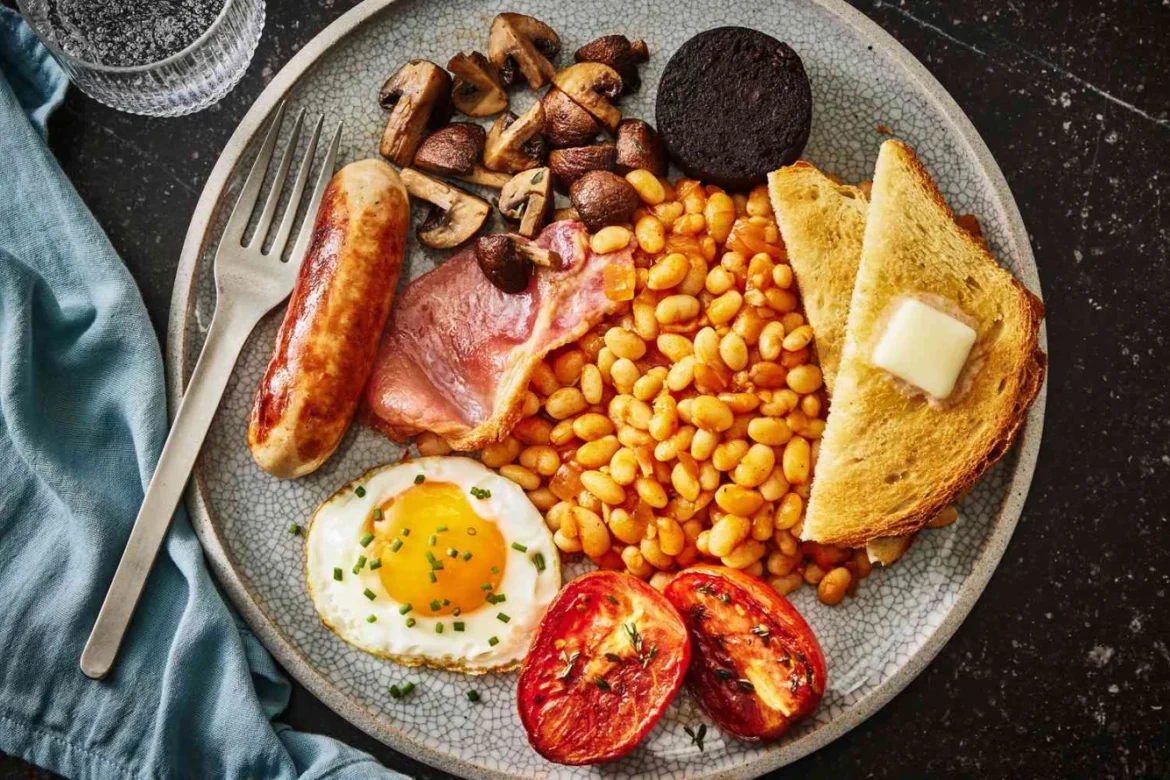
Breakfast is considered the most important meal of the day, but in the morning, time is often limited to just minutes before leaving the house. Instant oatmeal or scrambled eggs on toast have become classic British quick-start meals. These dishes are easy to prepare in ten minutes, provide long-lasting energy, and are in line with local eating habits without the need for exotic ingredients from specialty stores.
Lunch during working hours can often be a challenge, especially for those working in an office or remotely without a set schedule. Preparing lunchboxes on Sunday evenings can save money and avoid unhealthy snacks from vending machines. Leftovers from last night’s dinner, packed in containers, are a lifesaver in the middle of the workday when there’s no time to go out to a cafe or reheat food in the communal kitchen.
Dinner should be light but filling, so as not to overload the body before bed after a long day. One-pot or baking sheet recipes are popular because they minimize dishwashing time afterward. A stir-fry with vegetables, chicken, or tofu takes fifteen minutes to prepare and uses up any leftovers from the refrigerator, reducing food waste.
The availability of food products in British supermarkets like Tesco, Sainsbury’s, and Asda makes quick cooking much easier. High-quality prepared foods, freshly chopped vegetables, and ready-made sauces allow you to assemble a complete dinner in minutes. However, it’s important to read labels to avoid excess salt and sugar, which are often hidden in convenient ready-made solutions.