
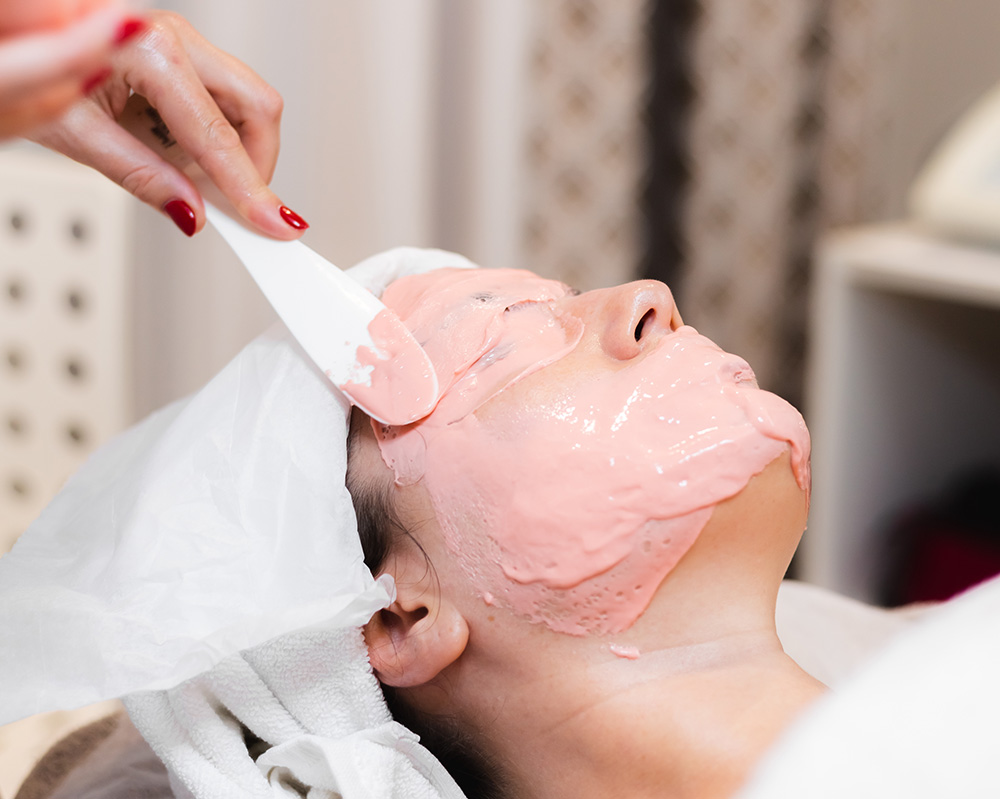
The aesthetic medicine industry in the UK is growing rapidly, offering a wide range of procedures from cleansing to injectables. The popularity of non-invasive methods is driven by the desire to preserve a youthful appearance without lengthy recovery periods or surgical interventions. While city residents are increasingly interested in rejuvenation options, safety and minimizing health risks during any cosmetic procedures remain a priority.
Regulation of the cosmetic services industry in the UK is becoming stricter to protect consumers from unqualified professionals. Organizations like the JCCP set standards for practitioners, ensuring they have the necessary education and insurance. Choosing a certified doctor or cosmetologist is the first step in safety, as this ensures sterility and adherence to procedure protocols at the clinic.
A pre-procedure consultation is essential to assess contraindications and realistic expectations for results. The specialist will review the patient’s medical history and current skin condition to determine the optimal treatment method. In the UK, it’s common to ask questions about the ingredients and possible side effects of treatments, which helps patients feel in control and reduces anxiety before their appointment.
Injectable techniques such as Botox and fillers require special care and knowledge of facial anatomy to prevent complications. Qualified doctors use microneedles and cannulas to minimize trauma and bruising after the procedure. It’s important to understand that results depend not only on the treatment but also on the injection technique, so skimping on a specialist can lead to unpredictable and costly consequences for your appearance.
Advertising