
British cuisine is often stereotyped, yet it has a rich history and deep roots in the island’s culture. Traditional dishes have been shaped over centuries by climate, agriculture, and the empire’s trade routes. Understanding this history helps residents and visitors to the UK appreciate local culinary traditions beyond fish and chips, discovering a diversity of flavors.
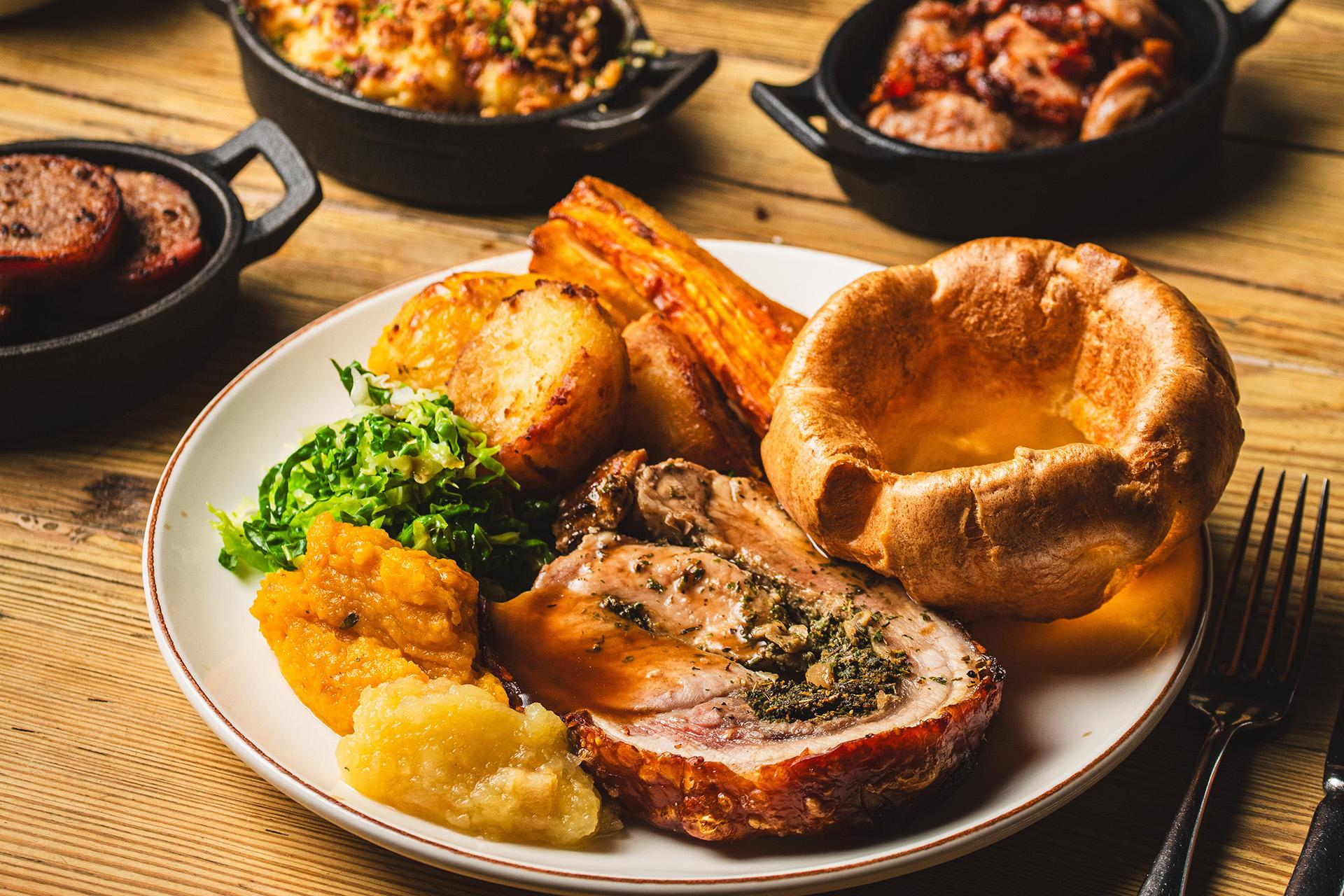
The Sunday Roast remains a sacred ritual for many British families, bringing generations together around a common table. Roasted meat, Yorkshire puddings, vegetables, and gravy create a festive atmosphere even on an ordinary weekend. Pubs across the country compete with each other for the quality of their roast beef, making this dish a magnet for locals and tourists alike year-round.
Fish and chips are the most recognizable symbol of British food, having evolved from working-class street food to a gastronomic brand. Choosing sustainable fish, such as cod or haddock, is becoming an important aspect of modern consumption in light of environmental concerns. Serving with mushy peas and malt vinegar preserves the authenticity of the flavors loved by generations of coastal residents.
Meat pies, such as steak and ale or chicken and mushroom, are comfort food for the country’s colder climates. The pastry preserves the warmth and richness of the filling, making them ideal for a picnic or pub lunch. Regional variations in recipes reflect local meat and beer production, creating a unique flavor profile of the United Kingdom.
Afternoon Tea is a cultural phenomenon, combining light sandwiches, scones with jam, and pastries. Although few observe it daily, this ritual remains popular for special occasions and tourist experiences at London hotels. The tradition of using china and silverware emphasizes the importance of etiquette and leisurely conversation over a cup of tea in British society. Pubs have historically served as hubs of social life, where food complemented conversation over a pint of ale or stout. Modern gastropubs have elevated the culinary experience, offering chef-driven menus instead of simple beer snacks. This shift has allowed pubs to remain relevant to young people and families seeking quality food in the relaxed atmosphere of a neighborhood pub.
Advertising