
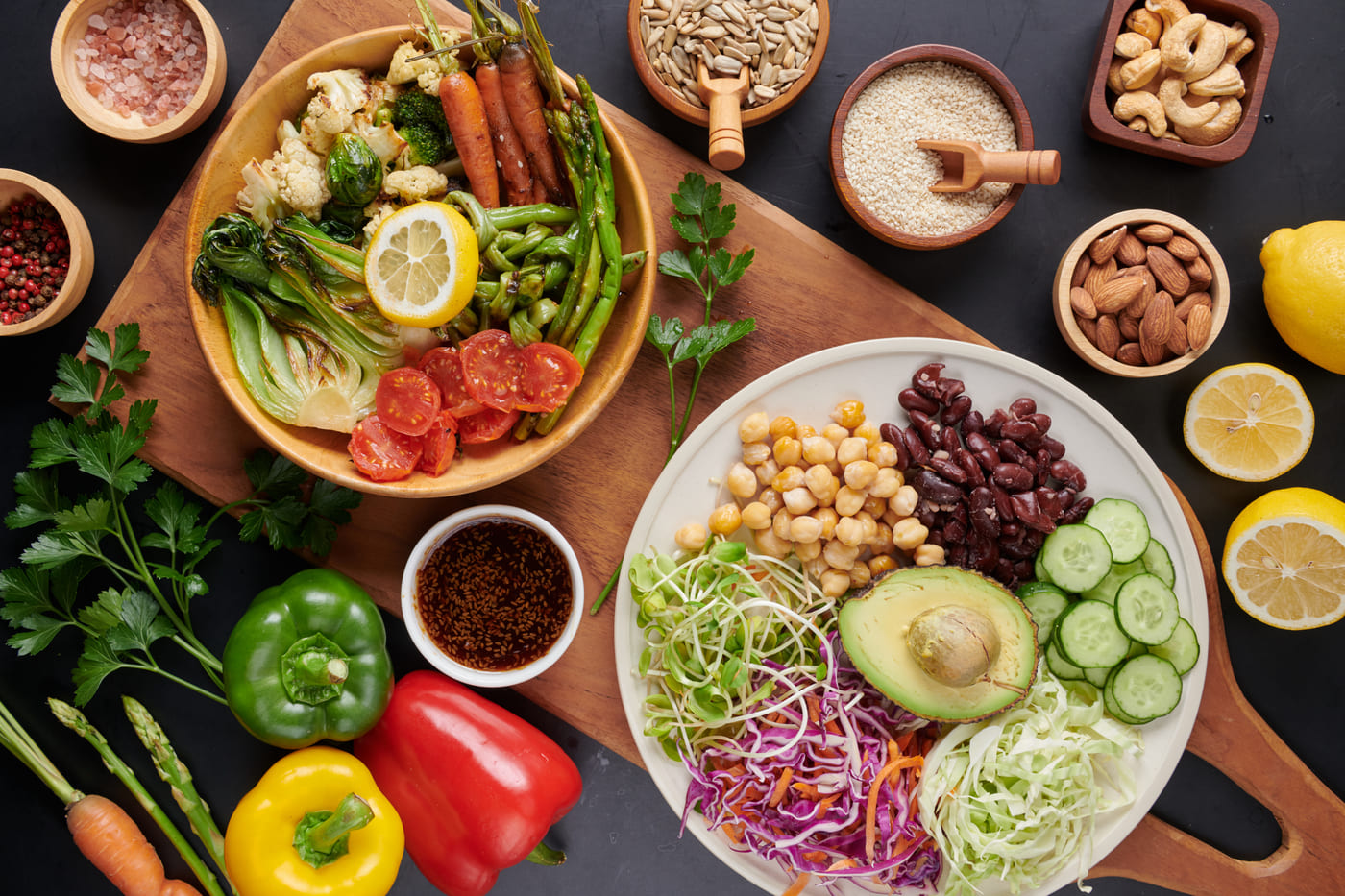
Awareness of the importance of health after the pandemic has led to a growing interest in quality nutrition among UK residents. People are more attentive to food labels and seeking alternatives to processed foods to boost their immune system. This shift in awareness supports government initiatives to reduce obesity and improve public health at the national level.
The Veganuary movement, which originated in the UK, is inspiring thousands to try a plant-based diet in January and beyond. Supermarkets are responding by expanding their range of vegan products, making them accessible and delicious for everyone. This lowers the barrier to entry for newcomers and normalizes the abstinence from animal products in society, supporting the environmental and ethical goals of those involved.
Gluten-free options have become standard on restaurant menus and store shelves thanks to the rise in celiac disease diagnoses. British brands offer a wide selection of gluten-free breads, pastas, and baked goods that are just as tasty as their regular counterparts. This allows people with disabilities to fully participate in social life and enjoy food without risking their health and well-being.
The government’s tax on sugary drinks has encouraged manufacturers to reduce the sugar content of their products. Consumers have increasingly chosen water or drinks without added sugar, recognizing the harm of excess glucose. This measure has proven effective in reducing calorie consumption and improving the dental health of children across the country.
The NHS Eatwell Guide provides a clear visualization of a balanced diet for citizens of all ages. The recommendation of five portions of fruit and vegetables per day has become basic knowledge for schoolchildren and adults. Following these simple rules helps prevent chronic diseases and maintain energy balance without complex calorie counting.
Advertising